

Best Selling Mobile Accessories
-
Rose Flower Embossing Pattern Leather Phone Case, For Samsung Galaxy A16, For Samsung Galaxy A25, For Samsung Galaxy A15, For Samsung Galaxy A35, For Samsung Galaxy A05, For Samsung Galaxy A05S, For Samsung Galaxy A24, For Samsung Galaxy A14...
Vendor:ORIWHIZRegular price $2.73 USDRegular price -
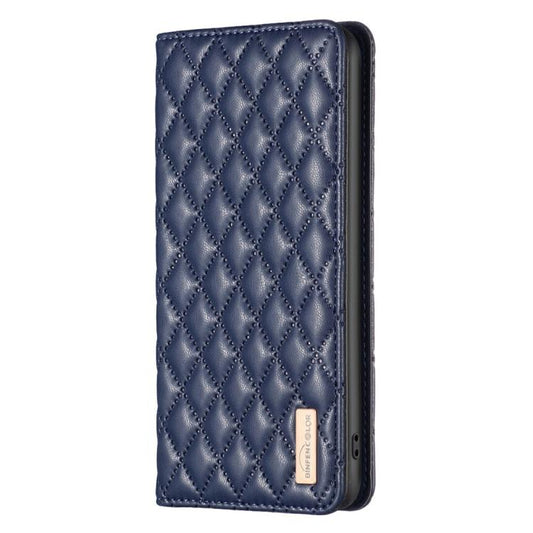
Diamond Lattice Magnetic Leather Flip Phone Case, For iPhone 18 Pro/17 Pro, For iPhone 18 Pro Max/17 Pro Max, For iPhone 17, For iPhone 17 Air, For iPhone 16 Pro Max, For iPhone 16 Pro, For iPhone 16 Plus, For iPhone 16, For iPhone 15 Pro Max...
Vendor:ORIWHIZRegular price $3.60 USDRegular price -
45W 5.1V 2.1A USB Interface Car Charger with 14.5V 3.1A L MagSafe Interface Data Cable, 14.5V 3.1A L MagSafe
Vendor:ORIWHIZRegular price $33.42 USDRegular price -
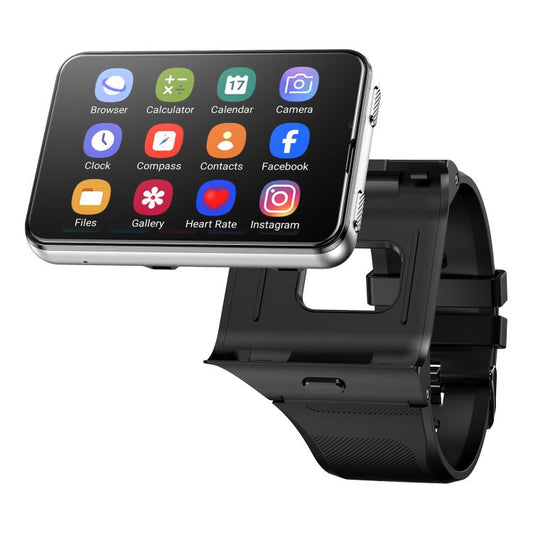
S999 2.88 inch TFT Screen 4G Smart Watch, Android 11 4GB+64GB
Vendor:ORIWHIZRegular price $222.00 USDRegular price -
Sparkling Diamond Glitter Airbag Phone Case, For iPhone 18, For iPhone 18 Pro, For iPhone 18 Pro Max, For iPhone 17 Pro Max, For iPhone 17 Pro, For iPhone 17, For iPhone 16 Pro Max, For iPhone 16 Pro, For iPhone 16, For iPhone 15 Pro Max...
Vendor:ORIWHIZRegular price $1.75 USDRegular price -
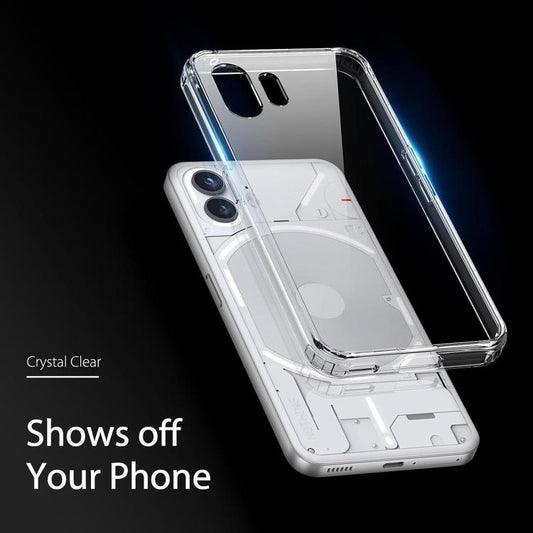
All-inclusive Transparent Shockproof Phone Case, For Nothing Phone 4a Pro, For Nothing Phone 4a, For Nothing Phone 3, For Nothing Phone 3a, For Nothing Phone 3a Pro, For Nothing Phone 2a, For Nothing Phone 2, For Nothing Phone 1
Vendor:ORIWHIZRegular price $3.16 USDRegular price -
Embossed Sunflower Leather Phone Case, For Google Pixel 11 Pro XL, For Google Pixel 11 / Pixel 11 Pro, For Google Pixel 10a, For Google Pixel 9a, For Google Pixel 9 Pro, For Google Pixel 9, For Google Pixel 8a, For Google Pixel 8 Pro, For Google Pixel ...
Vendor:ORIWHIZRegular price $3.16 USDRegular price -
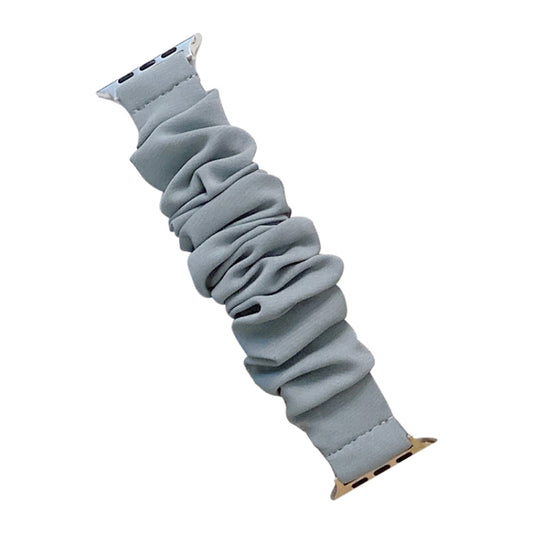
Single Loop Elasticity Watchband For Apple Watch Series, 7 41mm / 6&SE&5&4 40mm / 3&2&1 38mm, 7 45mm / 6&SE&5&4 44mm / 3&2&1 42mm
Vendor:ORIWHIZRegular price $13.29 USDRegular price










New Arrivals
-
Liquid Silicone Phone Case, For iPhone 18 Pro / 17 Pro, For iPhone 18 Pro Max / 17 Pro Max
Vendor:ORIWHIZRegular price $2.06 USDRegular priceLiquid Silicone Phone Case, For iPhone 18 Pro / 17 Pro, For iPhone 18 Pro Max / 17 Pro Max
Regular price $2.06 USDRegular priceLiquid Silicone Phone Case, For iPhone 18 Pro / 17 Pro, For iPhone 18 Pro Max / 17 Pro Max
Regular price $2.06 USDRegular price -
Animal Pattern Oil Painting Series PC + TPU Phone Case, For iPhone 18 Pro / 17 Pro, For iPhone 18 Pro Max/17 Pro Max, For iPhone 17e / 16e
Vendor:ORIWHIZRegular price $7.83 USDRegular priceAnimal Pattern Oil Painting Series PC + TPU Phone Case, For iPhone 18 Pro / 17 Pro, For iPhone 18 Pro Max/17 Pro Max, For iPhone 17e / 16e
Regular price $7.83 USDRegular priceAnimal Pattern Oil Painting Series PC + TPU Phone Case, For iPhone 18 Pro / 17 Pro, For iPhone 18 Pro Max/17 Pro Max, For iPhone 17e / 16e
Regular price $7.83 USDRegular price -
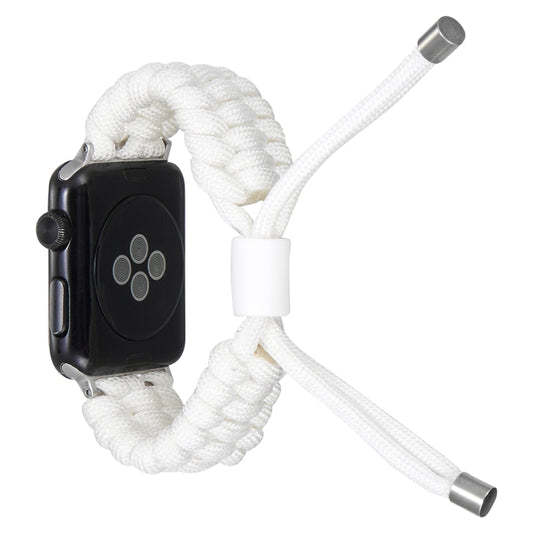
Nylon Replacement Strap Watchband, For Apple Watch Series 7 41mm / & 6 & SE & 5 & 4 40mm, For Apple Watch Series 7 45mm / & 6 & SE & 5 & 4 44mm
Vendor:ORIWHIZRegular price $13.30 USDRegular priceNylon Replacement Strap Watchband, For Apple Watch Series 7 41mm / & 6 & SE & 5 & 4 40mm, For Apple Watch Series 7 45mm / & 6 & SE & 5 & 4 44mm
Regular price $13.30 USDRegular priceNylon Replacement Strap Watchband, For Apple Watch Series 7 41mm / & 6 & SE & 5 & 4 40mm, For Apple Watch Series 7 45mm / & 6 & SE & 5 & 4 44mm
Regular price $13.30 USDRegular price -
Silicone Watch Replacement Strap, Short Section (Female), For Apple Watch Series 8&7 41mm / SE 2&6&SE&5&4 40mm / 3&2&1 38mm, For Apple Watch Ultra 49mm / Series 8&7 45mm / SE 2&6&SE&5&4 44mm / 3&2&1 42mm
Vendor:ORIWHIZRegular price From $11.44 USDRegular priceSilicone Watch Replacement Strap, Short Section (Female), For Apple Watch Series 8&7 41mm / SE 2&6&SE&5&4 40mm / 3&2&1 38mm, For Apple Watch Ultra 49mm / Series 8&7 45mm / SE 2&6&SE&5&4 44mm / 3&2&1 42mm
Regular price From $11.44 USDRegular priceSilicone Watch Replacement Strap, Short Section (Female), For Apple Watch Series 8&7 41mm / SE 2&6&SE&5&4 40mm / 3&2&1 38mm, For Apple Watch Ultra 49mm / Series 8&7 45mm / SE 2&6&SE&5&4 44mm / 3&2&1 42mm
Regular price From $11.44 USDRegular price -
Silicone Watch Replacement Strap, Long Section (Men), For Apple Watch Series 8&7 41mm / SE 2&6&SE&5&4 40mm / 3&2&1 38mm, For Apple Watch Ultra 49mm / Series 8&7 45mm / SE 2&6&SE&5&4 44mm / 3&2&1 42mm
Vendor:ORIWHIZRegular price $10.99 USDRegular priceSilicone Watch Replacement Strap, Long Section (Men), For Apple Watch Series 8&7 41mm / SE 2&6&SE&5&4 40mm / 3&2&1 38mm, For Apple Watch Ultra 49mm / Series 8&7 45mm / SE 2&6&SE&5&4 44mm / 3&2&1 42mm
Regular price $10.99 USDRegular priceSilicone Watch Replacement Strap, Long Section (Men), For Apple Watch Series 8&7 41mm / SE 2&6&SE&5&4 40mm / 3&2&1 38mm, For Apple Watch Ultra 49mm / Series 8&7 45mm / SE 2&6&SE&5&4 44mm / 3&2&1 42mm
Regular price $10.99 USDRegular price -
Stretch Plain Silicone Bean Watch Band, For Apple Watch SE 40mm, For Apple Watch SE 44mm, For Apple Watch 6 40mm, For Apple Watch 6 44mm, For Apple Watch 5 40mm, For Apple Watch SE 2023 40mm, For Apple Watch 5 44mm, For Apple Watch 4 40mm
Vendor:ORIWHIZRegular price $14.67 USDRegular priceStretch Plain Silicone Bean Watch Band, For Apple Watch SE 40mm, For Apple Watch SE 44mm, For Apple Watch 6 40mm, For Apple Watch 6 44mm, For Apple Watch 5 40mm, For Apple Watch SE 2023 40mm, For Apple Watch 5 44mm, For Apple Watch 4 40mm
Regular price $14.67 USDRegular priceStretch Plain Silicone Bean Watch Band, For Apple Watch SE 40mm, For Apple Watch SE 44mm, For Apple Watch 6 40mm, For Apple Watch 6 44mm, For Apple Watch 5 40mm, For Apple Watch SE 2023 40mm, For Apple Watch 5 44mm, For Apple Watch 4 40mm
Regular price $14.67 USDRegular price -
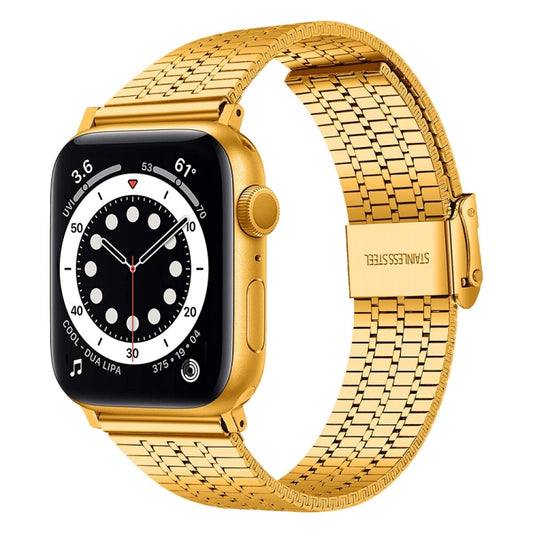
Steel Watch Band For Apple Watch Series, 7 45mm / 6&SE&5&4 44mm / 3&2&1 42mm, 7 41mm / 6&SE&5&4 40mm / 3&2&1 38mm
Vendor:ORIWHIZRegular price From $14.94 USDRegular priceSteel Watch Band For Apple Watch Series, 7 45mm / 6&SE&5&4 44mm / 3&2&1 42mm, 7 41mm / 6&SE&5&4 40mm / 3&2&1 38mm
Regular price From $14.94 USDRegular priceSteel Watch Band For Apple Watch Series, 7 45mm / 6&SE&5&4 44mm / 3&2&1 42mm, 7 41mm / 6&SE&5&4 40mm / 3&2&1 38mm
Regular price From $14.94 USDRegular price -
Leather Watchband For Apple Watch Series, 7 41mm / 6&SE&5&4 40mm / 3&2&1 38mm, 7 45mm / 6&SE&5&4 44mm / 3&2&1 42mm
Vendor:ORIWHIZRegular price $14.11 USDRegular priceLeather Watchband For Apple Watch Series, 7 41mm / 6&SE&5&4 40mm / 3&2&1 38mm, 7 45mm / 6&SE&5&4 44mm / 3&2&1 42mm
Regular price $14.11 USDRegular priceLeather Watchband For Apple Watch Series, 7 41mm / 6&SE&5&4 40mm / 3&2&1 38mm, 7 45mm / 6&SE&5&4 44mm / 3&2&1 42mm
Regular price $14.11 USDRegular price





Mobile Accessories Tips & Guides
View all-

USB-A vs USB-C: What’s the Difference?
USB-A vs USB-C: What’s the Difference? The difference between USB A and USB C is mainly the connector shape, design, and modern capability. USB-A is the older rectangular USB connector....
USB-A vs USB-C: What’s the Difference?
USB-A vs USB-C: What’s the Difference? The difference between USB A and USB C is mainly the connector shape, design, and modern capability. USB-A is the older rectangular USB connector....
-

How to Pick a Reliable Charging Cable: MFi & US...
Charge Smarter with Certified Quality.Avoid risks from cheap cables—choose trusted brands like Anker, Belkin, UGREEN, or shop certified picks at Oriwhiz.com for fast, safe, and reliable charging.
How to Pick a Reliable Charging Cable: MFi & US...
Charge Smarter with Certified Quality.Avoid risks from cheap cables—choose trusted brands like Anker, Belkin, UGREEN, or shop certified picks at Oriwhiz.com for fast, safe, and reliable charging.
-
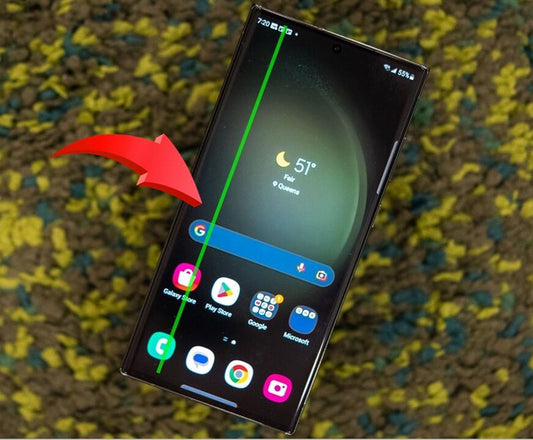
Why Are There Vertical Lines On The Phone Screen?
The vertical line indicates that when working with the screen, the cause is a software failure. Please restart the phone or restore the factory settings. If the vertical lines are...
Why Are There Vertical Lines On The Phone Screen?
The vertical line indicates that when working with the screen, the cause is a software failure. Please restart the phone or restore the factory settings. If the vertical lines are...


